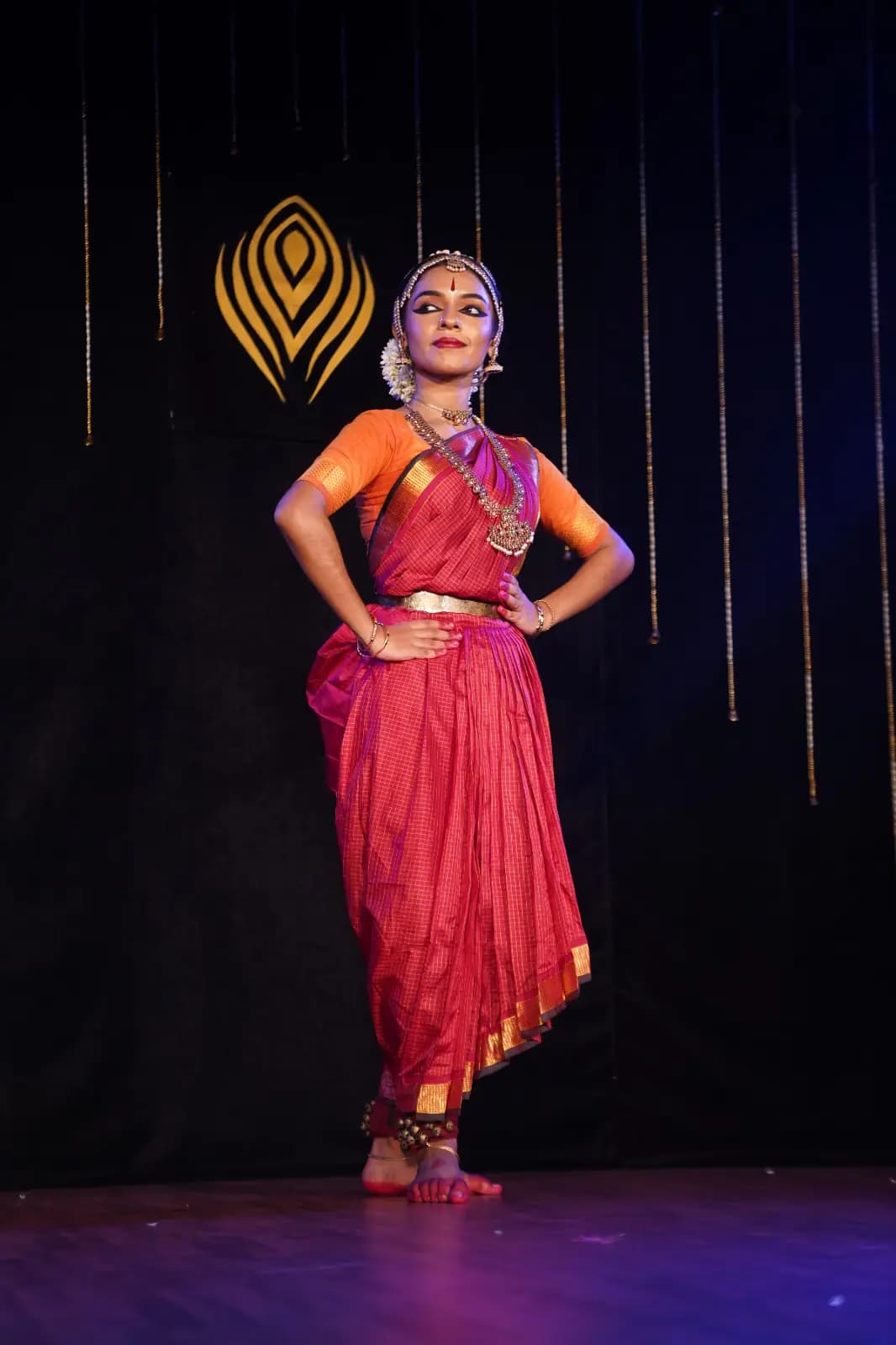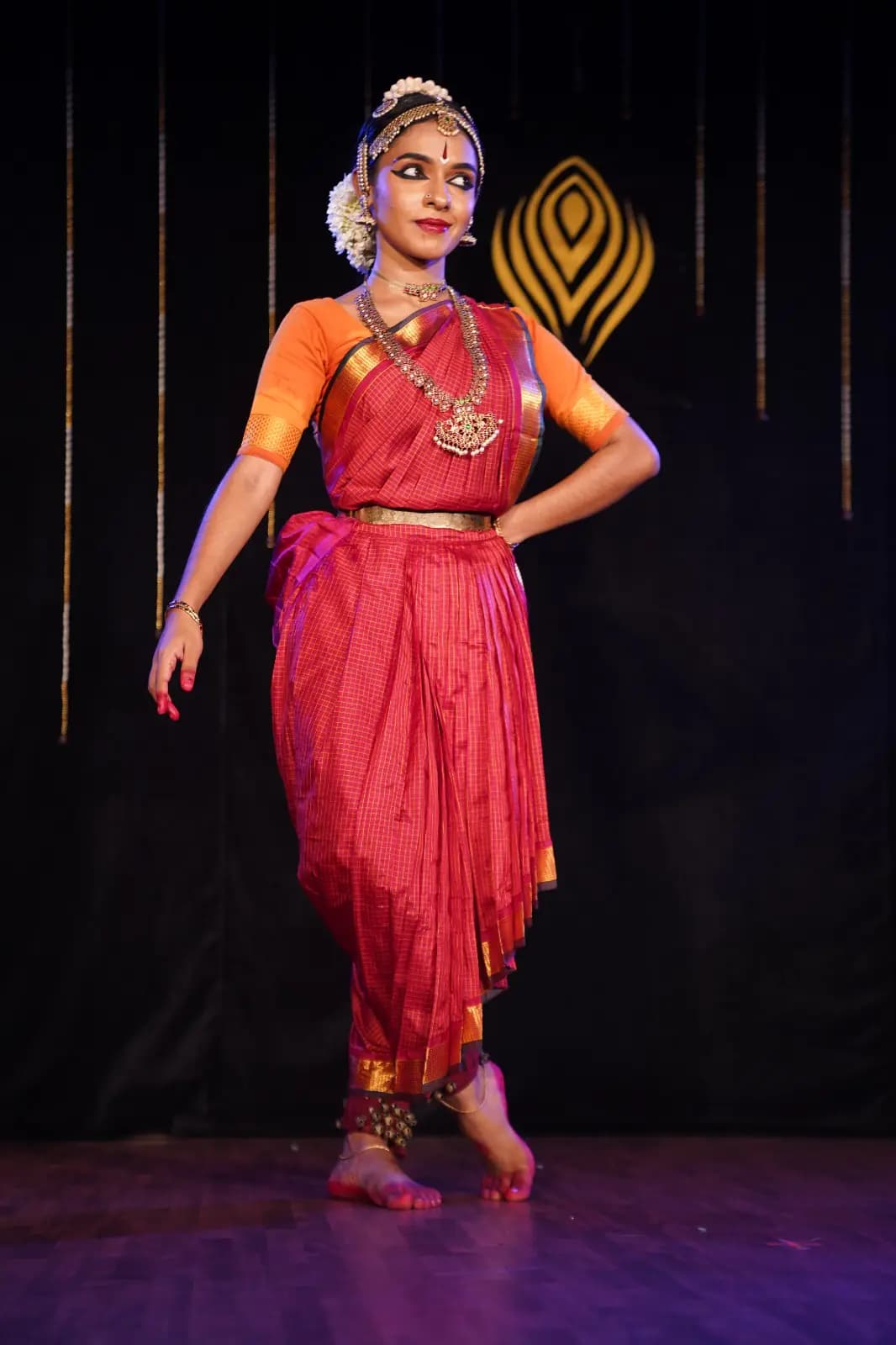
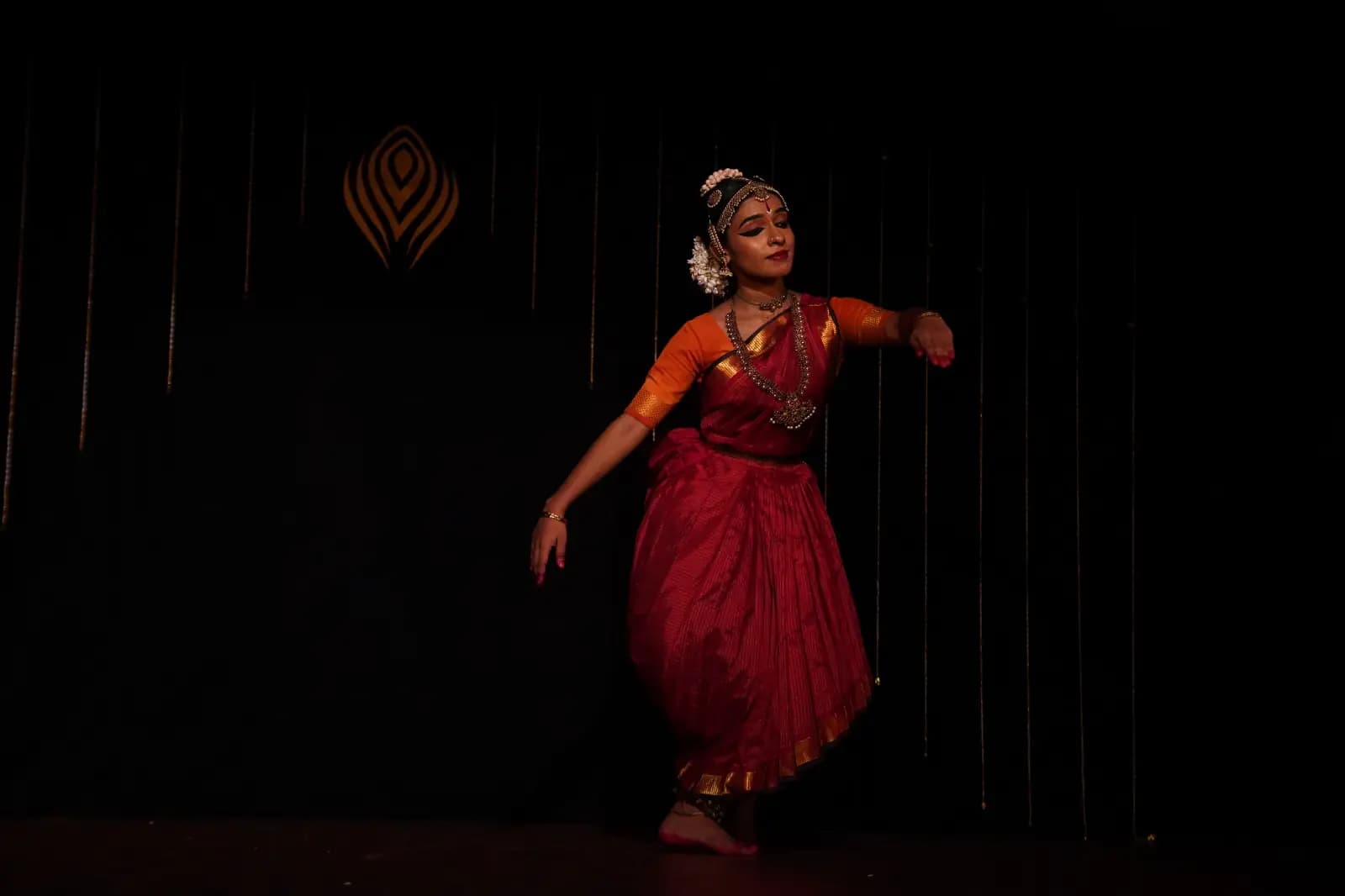
The right Bharatanatyam teacher shapes a child for years, sometimes decades. The choice deserves the same care a parent gives to choosing a school. This is a working checklist - the questions that actually matter, beyond credentials and proximity.
What lineage does the teacher come from?
Bharatanatyam is taught in distinct lineages - Kalakshetra, Pandanallur, Vazhuvoor, Thanjavur, Melattur - each with its own approach to adavus, repertoire, and abhinaya. Ask the teacher where they trained, with whom, and which lineage they teach in. The Kalakshetra lineage, for example, is known for geometric precision and a structured curriculum that progresses through standardised adavu sets.
How does the teacher handle absolute beginners?
Watch (or ask to watch) a beginner class. Look for two things: how the teacher corrects a child without shaming them, and how slowly the first set of adavus is taught. A teacher who rushes children to perform on stage within the first six months is optimizing for the wrong thing.
Is the classroom safe and respectful?
A Bharatanatyam classroom requires physical correction - adjusting posture, hand placement, foot angle. Children should be corrected with verbal cues first, with consent for any physical correction, and parents should be welcome to observe. Schools with internal grievance processes and a stated code of conduct are signalling that they take this seriously.
What does the curriculum look like over five years?
Ask the teacher to describe what a student might be doing in year one, year three, and year five. A serious school can answer this in detail. A weaker school will speak only in generalities or jump straight to arangetram timelines.
Eight questions to ask any prospective teacher
- Where did you train and in which lineage do you teach?
- How are batches organized - by age, by experience, or by pace?
- May I observe a beginner class before enrolling?
- What does the first year of training look like, week by week?
- How do you correct posture and movement with children?
- What is your approach to stage performance - when do students first perform?
- How are fees, schedules, and absences handled?
- If my child loses interest, how do you respond?
What good looks like
A good Bharatanatyam classroom is unhurried, warm, attentive, and exacting in its expectations. Children look engaged but not anxious. The teacher knows each student's name and pace. Stage performances are introduced gradually, not as the point of the training, but as a natural milestone in it.
Trust the room. A serious classroom feels calm, focused, and a little quiet - even when twenty children are practising at once.